HASTINGS KELP PROJECT
Home to the Hastings Community Marine Education & Restoration Centre
Historically, extensive kelp habitats occurred along parts of the Sussex coast. Today, they are largely absent. We are working to understand why, and how recovery may be possible.
The Hastings Kelp Project is advancing understanding of kelp ecosystems through rigorous, science-led research, integrating controlled laboratory experimentation, in situ observation, and environmental monitoring. This work generates high-quality data on growth dynamics, resilience, and ecosystem interactions, forming the foundation for evidence-based restoration approaches. Subject to appropriate regulatory approval, the project is designed to inform models for kelp recovery along the Sussex coast and beyond.
The Hastings Community Marine Education & Restoration Centre is a community-led hub for marine science, education and ecological restoration. Based at Hastings Aquarium, it connects researchers, volunteers, schools, universities and local organisations to inspire ocean stewardship through hands-on learning, citizen science and practical conservation. The Hastings Kelp Project forms the Centre's flagship programme, demonstrating how research, education and community action can work together to restore healthier seas for future generations.
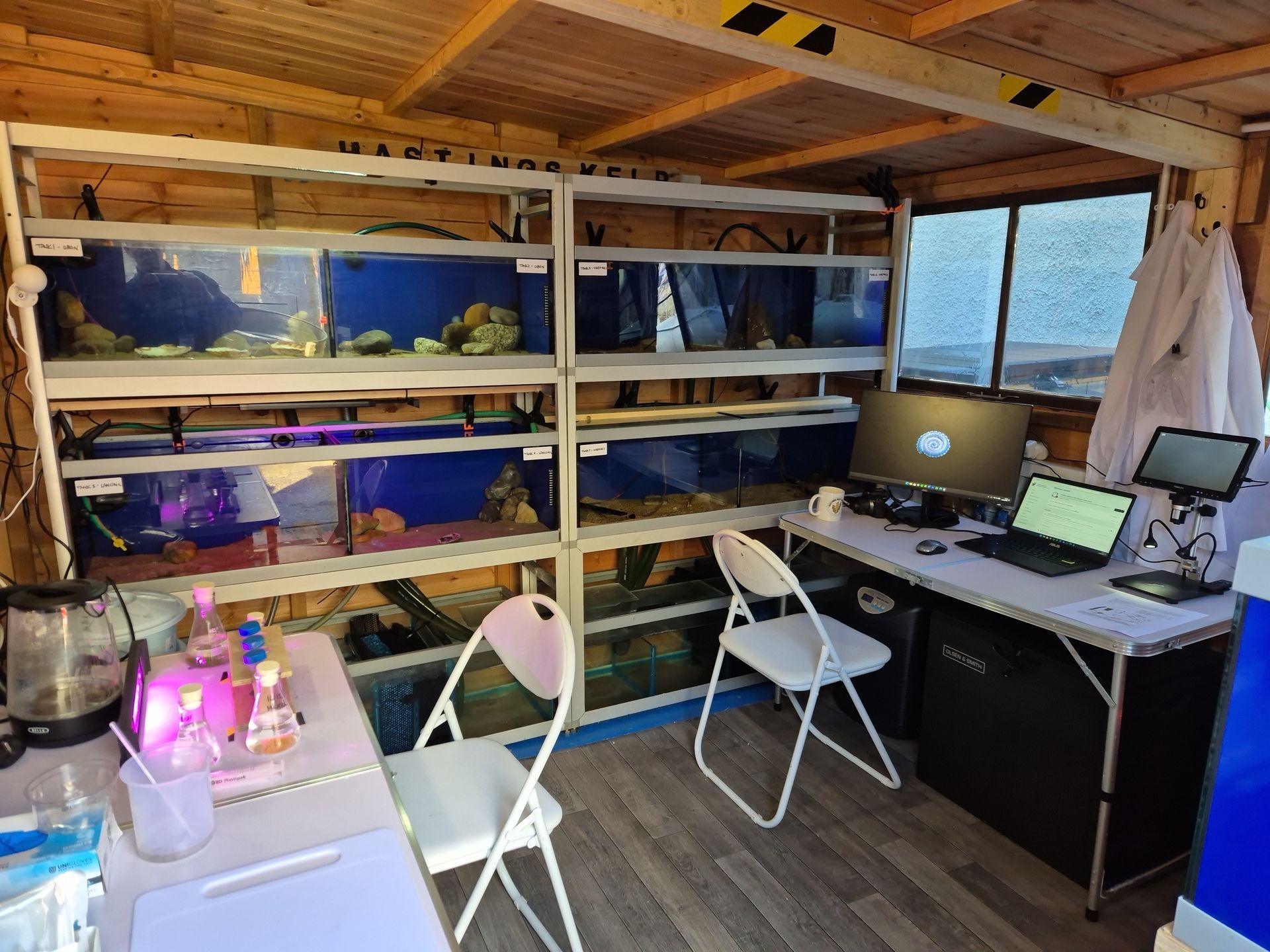
We have established a modular, controlled research environment to systematically investigate kelp cultivation techniques, environmental tolerances, and early life-stage development.
The project is developing replicable experimental systems to test key variables including light, temperature, and nutrient conditions. This work supports the development of robust methodologies for ongoing research and controlled study within UK coastal ecosystems, and provides a foundation for future restoration approaches.
Project name here
This is the text area for this paragraph. To change it, simply click and start typing.

Project name here
This is the text area for this paragraph. To change it, simply click and start typing.
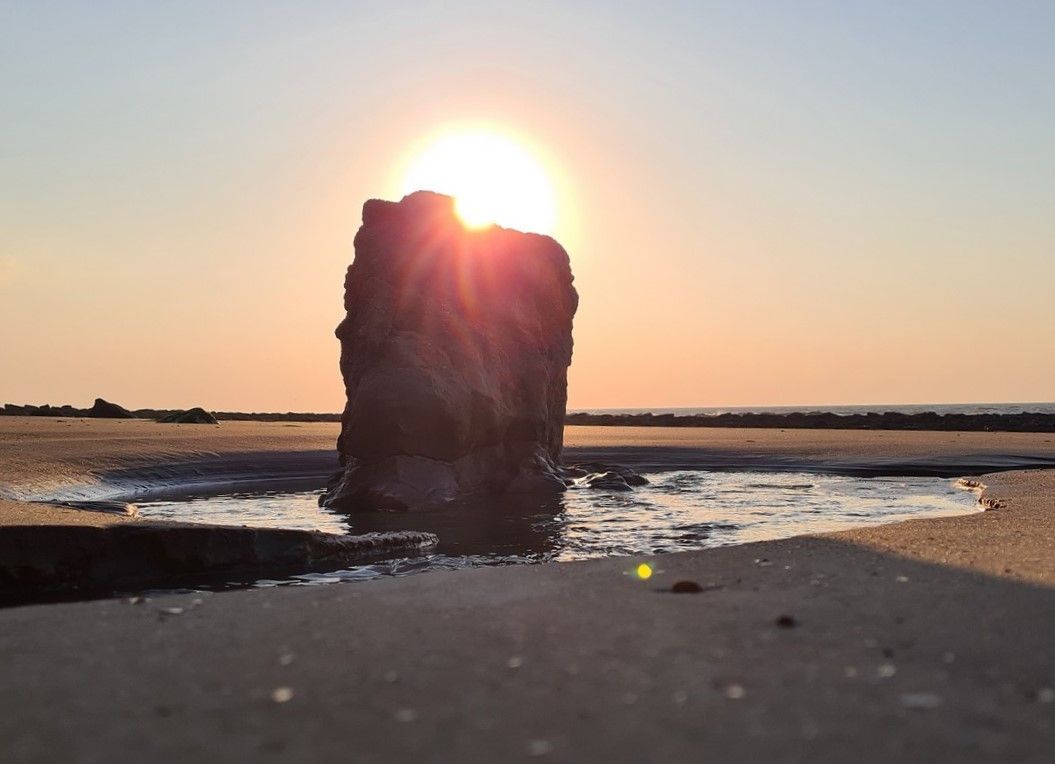

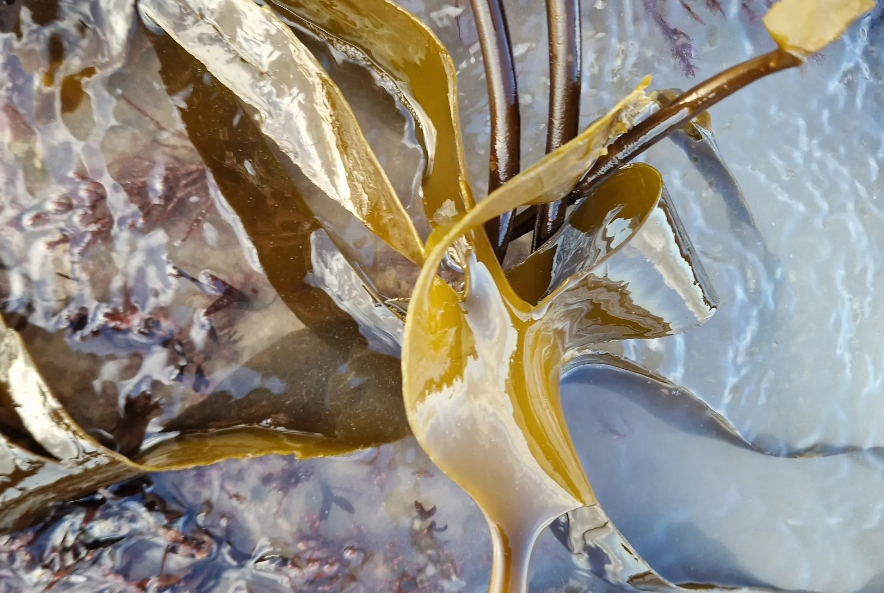
Project name here
This is the text area for this paragraph. To change it, simply click and start typing.
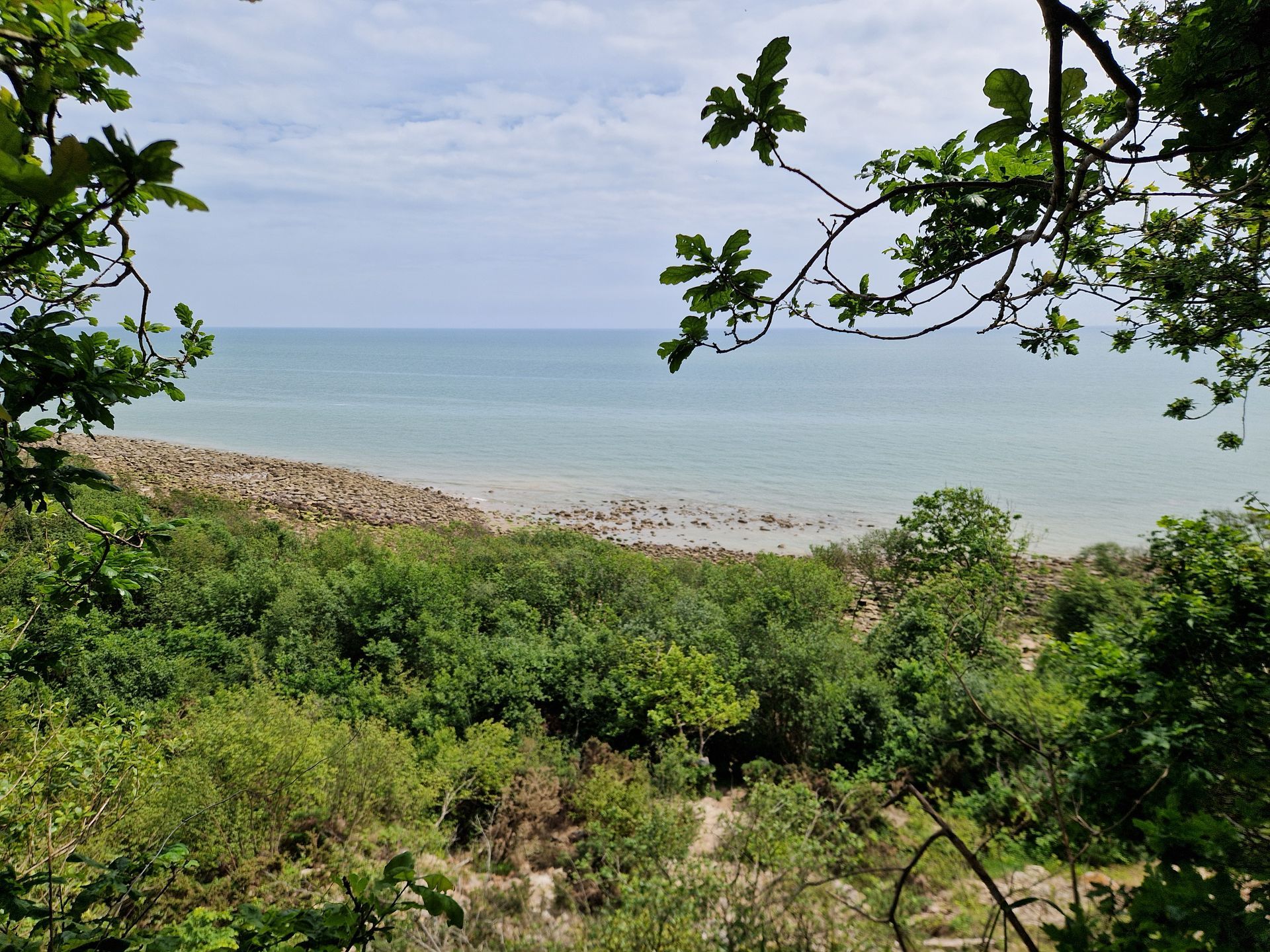
Project name here
This is the text area for this paragraph. To change it, simply click and start typing.
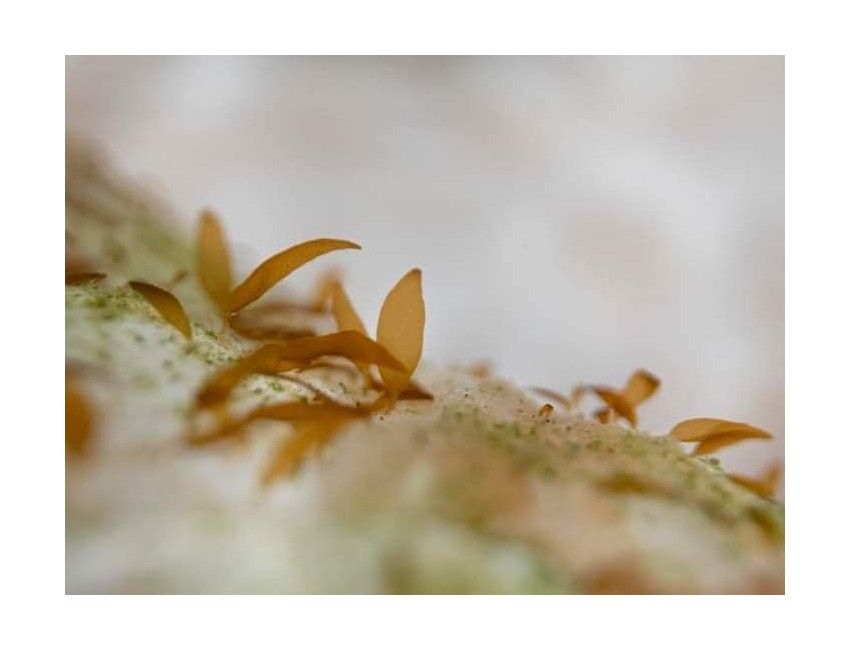
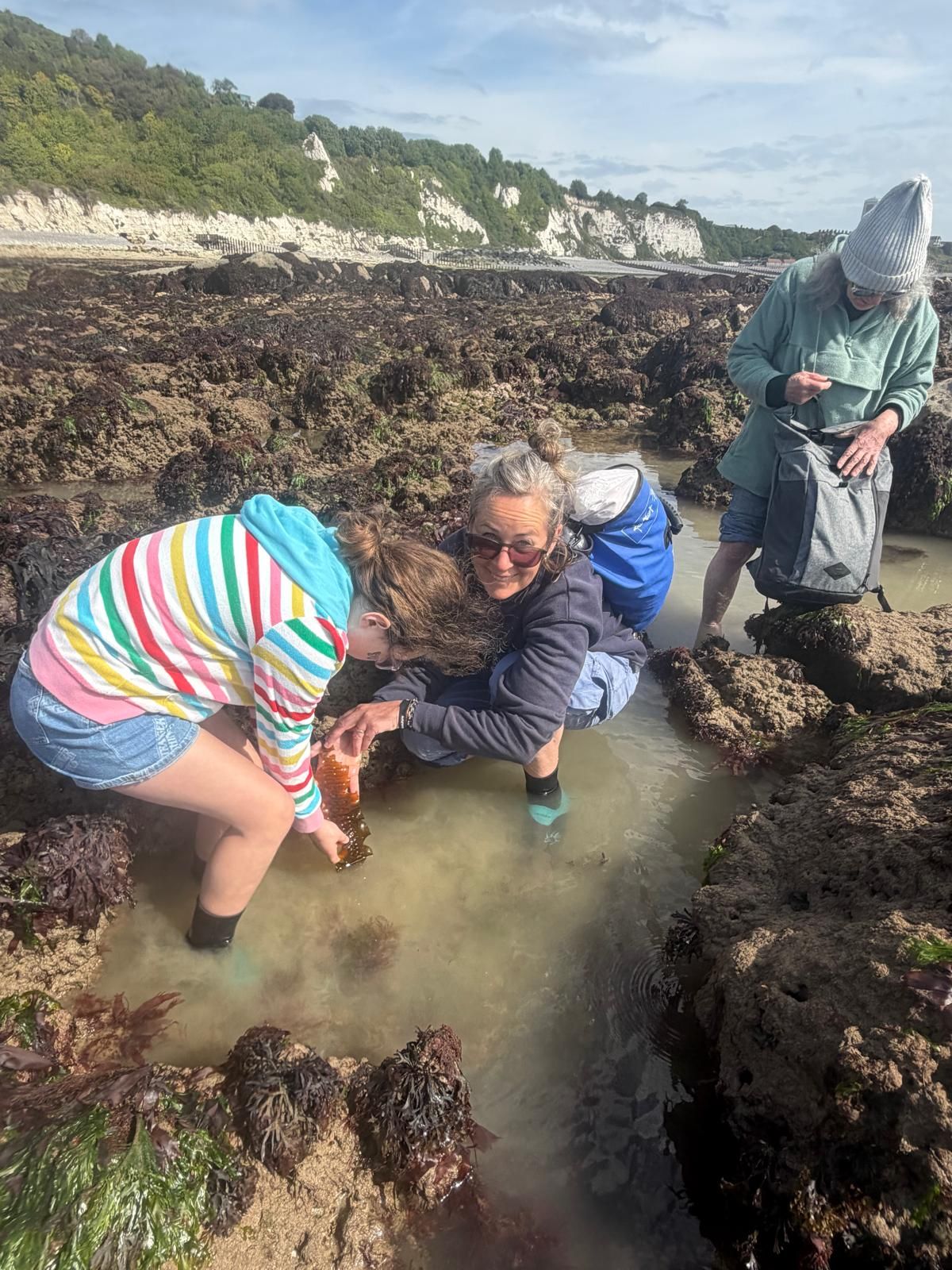

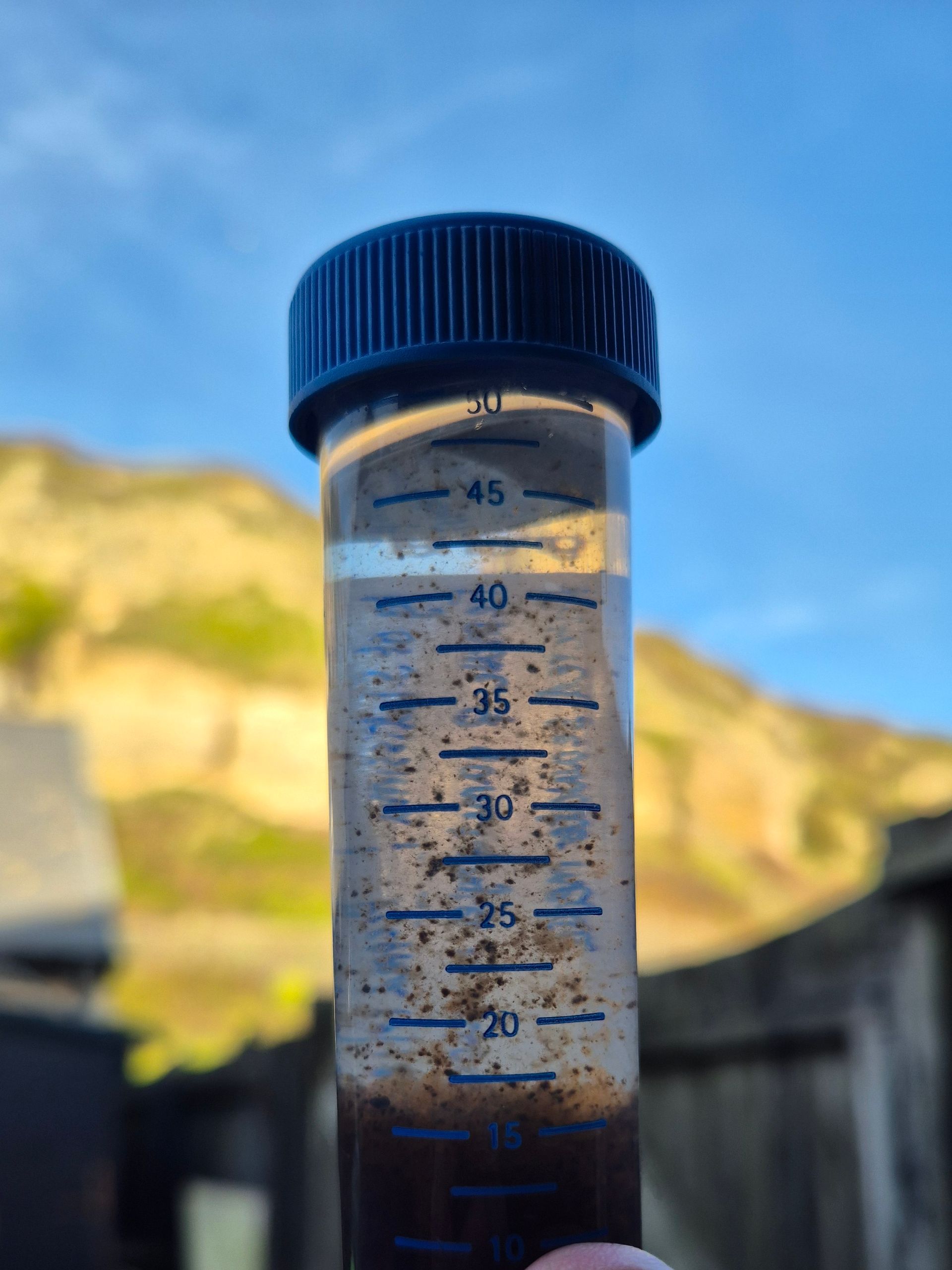
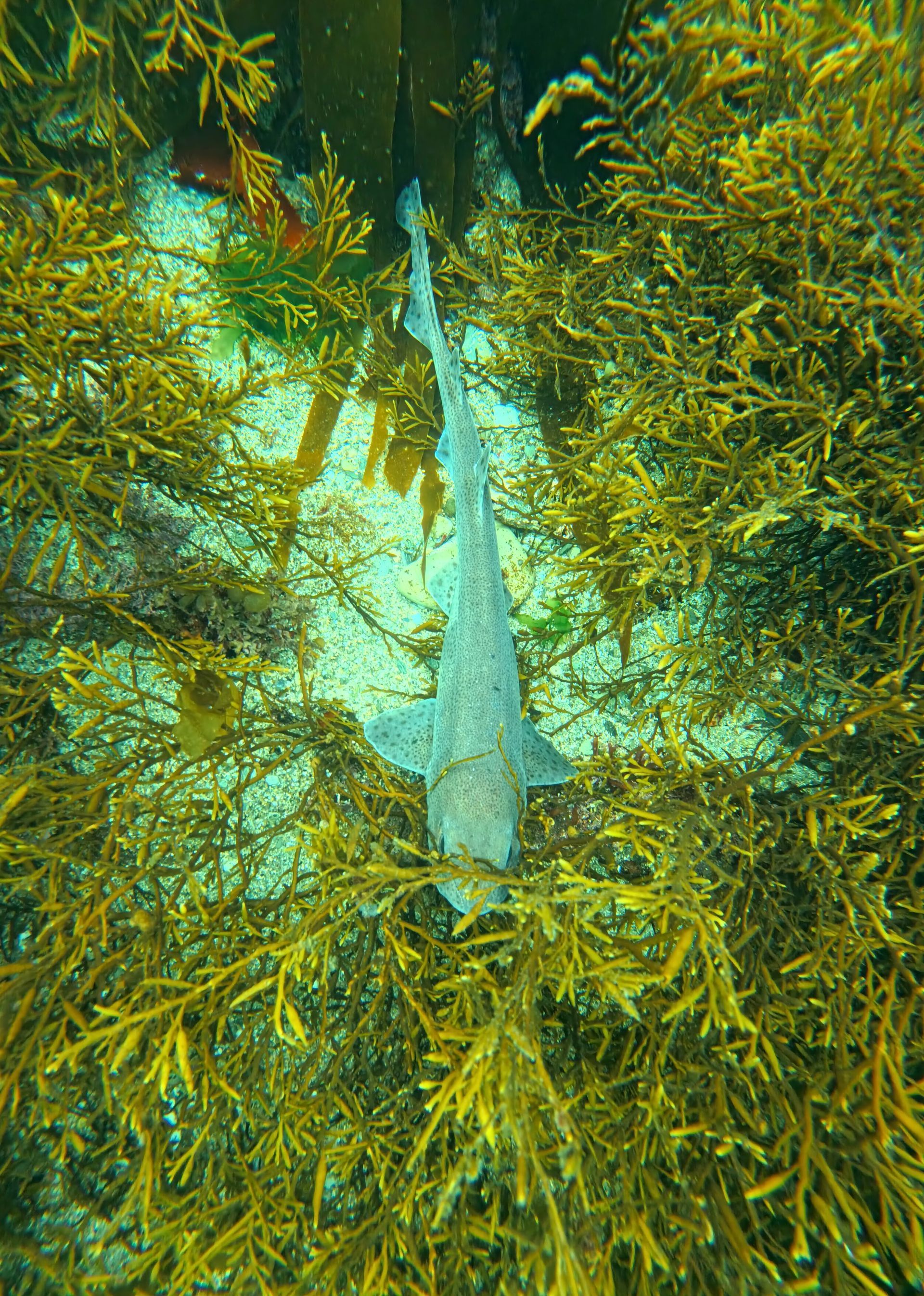
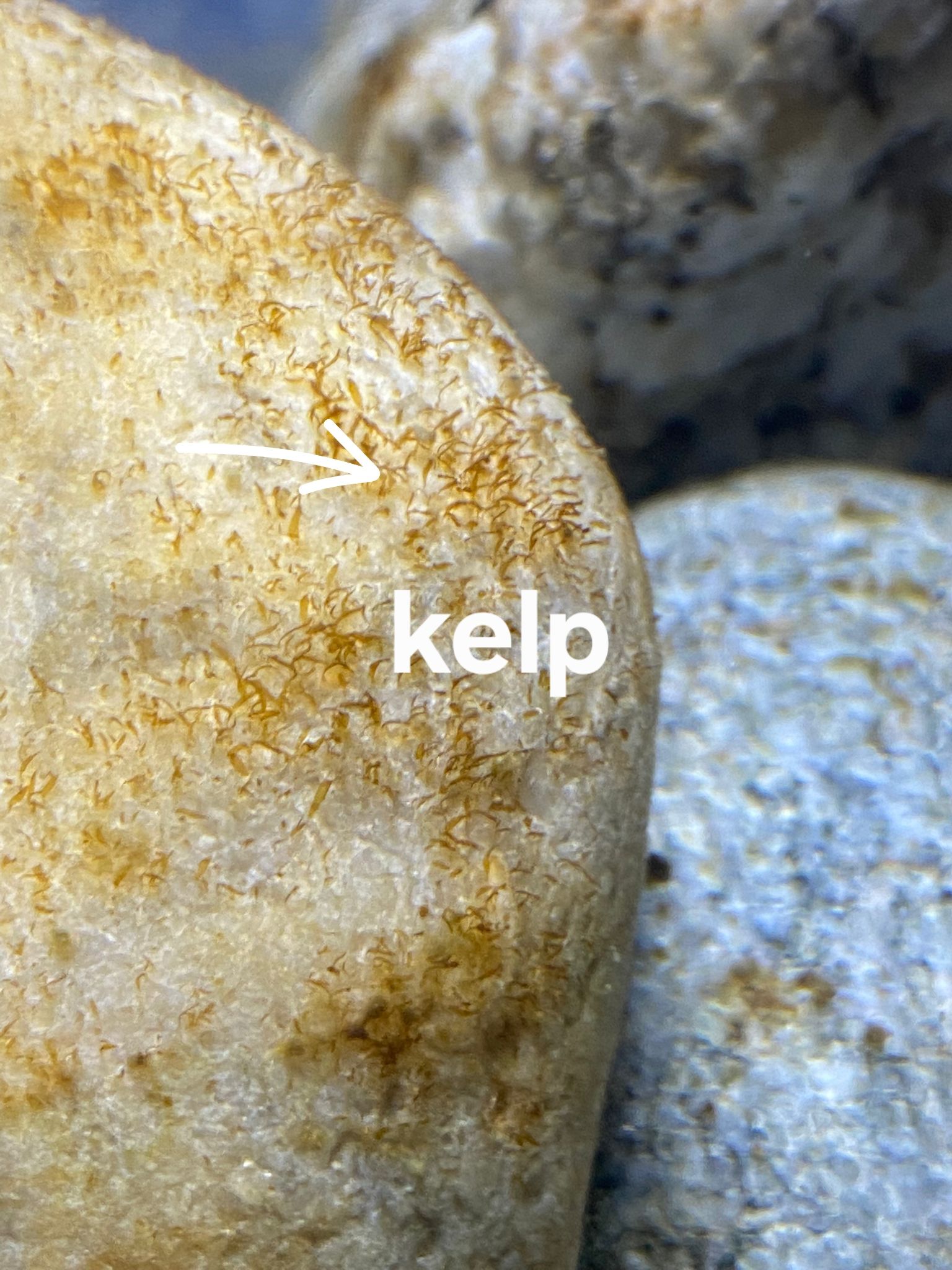
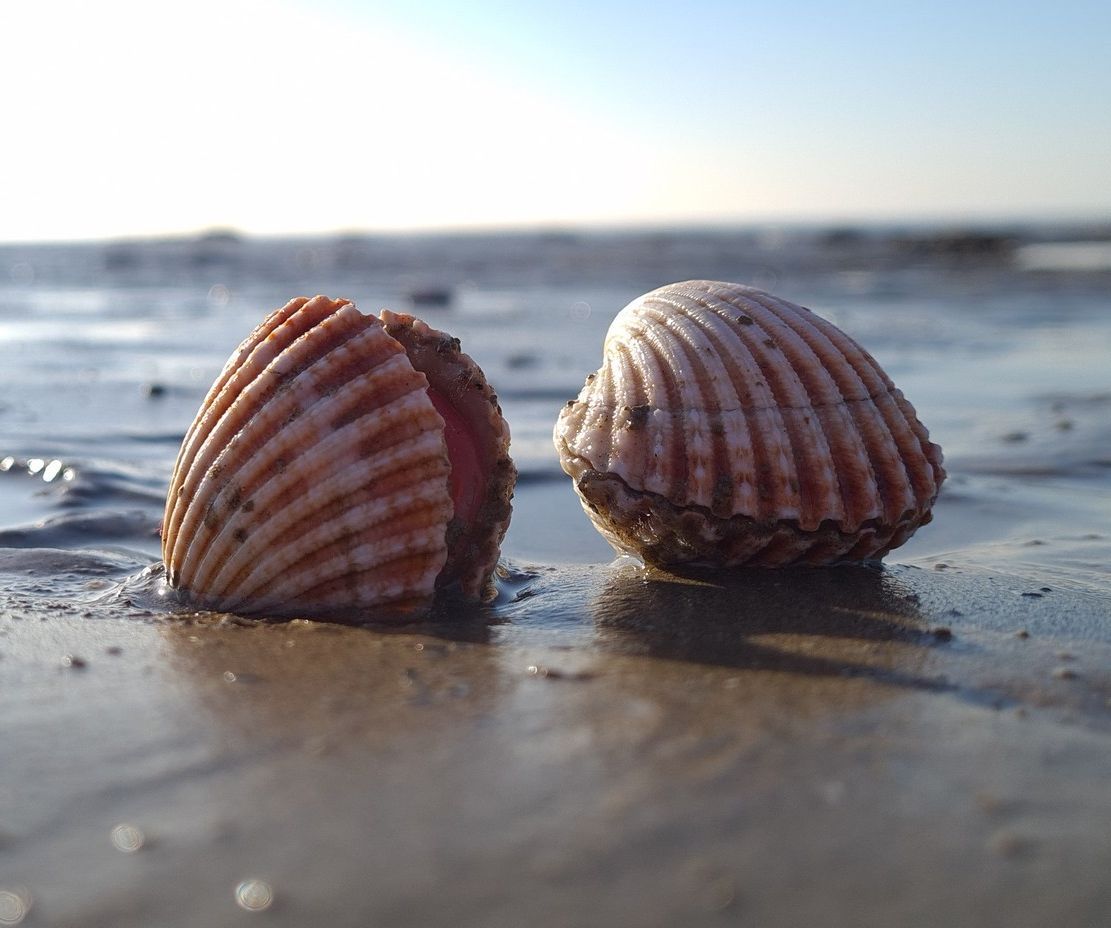
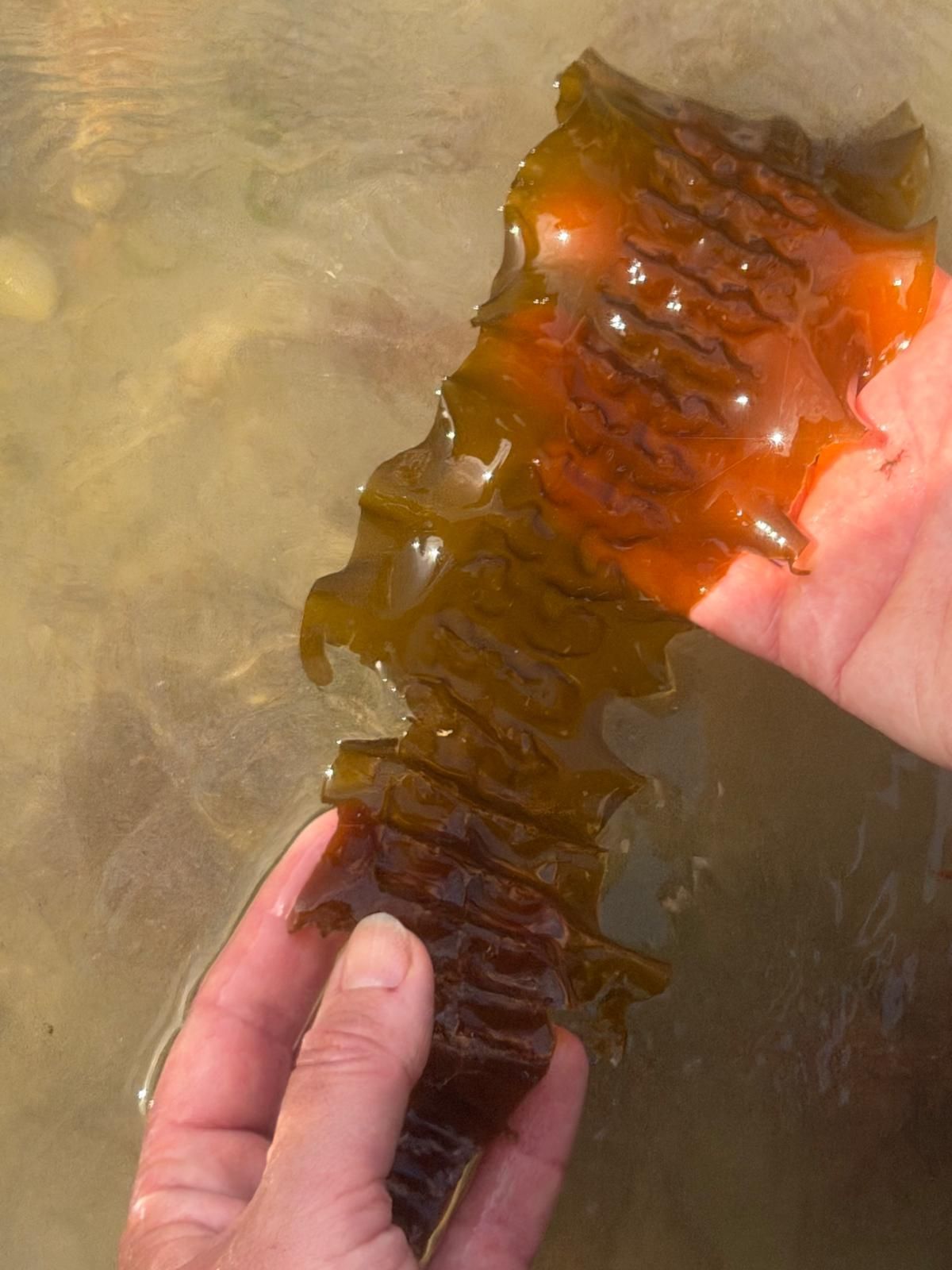

Combining scientific research with community engagement and coastal observation, the project is building a long-term environmental dataset.
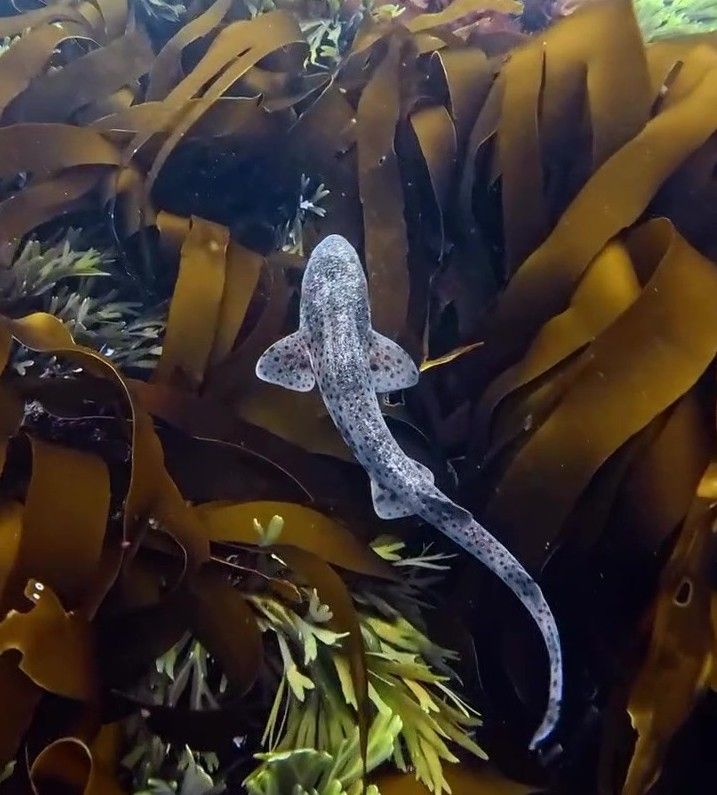
Through collaboration with divers, researchers, and local stakeholders, it supports ongoing monitoring of marine conditions, biodiversity, and habitat change. This work contributes to a broader understanding of ecosystem dynamics along the Sussex coastline and informs future research and restoration strategies.
ABOUT US
Community-Led Marine Research for Healthier Coastal Ecosystems
Hastings Kelp Project CIC (Company No. 15808105) is a volunteer-run, community-led marine research initiative dedicated to improving our understanding of kelp ecosystems and the wider coastal environment along the Hastings coastline in Sussex.
Working in partnership with Hastings Aquarium, the project brings together marine scientists, researchers, students, volunteers and community participants to undertake controlled laboratory research, coastal observation and long-term environmental monitoring. Supported by collaborators and advisors from the UK Seaweed Network, the Kelp Forest Alliance, the Scottish Association for Marine Science (SAMS), and the United Nations Association Climate and Oceans programme, our work focuses on generating robust scientific evidence to improve understanding of coastal ecosystem dynamics.
Our research begins under controlled laboratory conditions, investigating kelp growth, early life-stage development and environmental tolerances. These studies provide an evidence base that is complemented by low-impact coastal observation to better understand the relationships between kelp, marine habitats and the diverse species they support, including fish, shellfish and marine invertebrates.
The project follows a long-term research framework, combining laboratory experimentation with ongoing monitoring along the 4.5-mile stretch of coastline between Hastings and Pett Level. This work contributes to a greater understanding of ecosystem resilience, biodiversity and environmental change, helping to inform future scientific research and, where appropriate and subject to the necessary regulatory approvals, future marine restoration strategies.
Alongside scientific research, Hastings Kelp Project encourages community participation through volunteering, citizen science, education, school engagement and public outreach. By connecting people with their local marine environment, we aim to inspire greater environmental awareness while enabling the community to contribute meaningful observations and data to long-term scientific research.
Engagement with local stakeholders, including the fishing community, is an important part of our approach. We recognise the long-standing relationship between coastal livelihoods and the marine environment and are committed to maintaining open, transparent and collaborative dialogue to ensure our work remains considerate of existing activities and shared use of the sea.
Our research explores the ecological importance of kelp ecosystems, including their role in supporting marine biodiversity, coastal processes and natural carbon cycling. All activities are undertaken using a low-impact approach and under the appropriate permissions, with any future field-based research or restoration work subject to further environmental assessment and regulatory approval.
We are committed to openness, scientific integrity and collaboration, and to sharing our findings with regulators, researchers, local stakeholders and the wider scientific community to help improve understanding of the UK's coastal ecosystems.
Situated between the historic fishing quarter of Rock-a-Nore and the ecologically significant coastline of Hastings Country Park and Pett Level, our study area provides an exceptional natural environment for understanding how coastal ecosystems function and respond to environmental change. Through research, collaboration and community involvement, Hastings Kelp Project aims to contribute valuable scientific knowledge that supports the long-term understanding and protection of our marine environment.
Partners, supporters & collaborations

City skyline
Fashion Magazine
Blurred Lines